
Remember when a good night’s sleep seemed effortless? You climbed into bed, closed your eyes, and woke up feeling ready to take on the day. For many women, sleep after 50 tells a different story.
Maybe you find yourself waking up at 3 a.m., tossing and turning, or struggling to fall asleep even when you’re exhausted. Perhaps hot flashes, nighttime bathroom trips, or a racing mind are interrupting your rest.
If this sounds familiar, you’re certainly not alone.
Hormonal changes, everyday stress, certain medications, and age-related changes in sleep patterns can all affect how well we sleep. But getting older doesn’t mean you have to accept restless nights as your new normal.
The good news? Small, consistent changes to your daily habits and nighttime routine can make a meaningful difference.
In this guide, we’ll explore why sleep changes after 50, share 10 practical habits that support healthier sleep, and discuss when persistent sleep problems deserve medical attention.
Because better sleep isn’t just about feeling rested tomorrow. It’s an important part of protecting your energy, mood, memory, and overall well-being for years to come.
“As an Amazon Associate, I earn from qualifying purchases.”
Why Sleep Changes After 50
As women move through menopause and beyond, several changes can affect sleep quality.
Hormonal fluctuations: Declining estrogen levels and other hormonal changes can contribute to hot flashes, night sweats, and disrupted sleep.
Changes in sleep patterns: With age, sleep may become lighter or more fragmented, and some women find themselves getting sleepy and waking earlier.
Health conditions and medications: Chronic pain, sleep apnea, restless legs syndrome, certain medications, and other health concerns can interfere with restful sleep.
Stress and life transitions: Retirement, caregiving, family responsibilities, and other changes can make it difficult to quiet the mind at bedtime.
Understanding these factors is the first step toward finding solutions that work for your body and lifestyle.
For additional guidance on sleep and healthy aging, visit the National Institute on Aging’s Sleep resource for expert information on healthy sleep habits, common sleep problems, and getting better rest as we age.
10 Healthy Sleep Habits for Women Over 50
1. Keep a Consistent Sleep Schedule
Your body has an internal clock that helps regulate when you feel sleepy and alert.
Going to bed and waking up at approximately the same time each day can help reinforce this natural rhythm.
Try choosing a realistic wake-up time and maintaining it throughout the week, including weekends.
Try this tonight: Set a consistent morning alarm and begin winding down before your usual bedtime. Allow enough time for the seven to nine hours of sleep generally recommended for adults.
2. Enjoy Natural Morning Sunlight
Morning daylight helps your brain recognize when it’s time to be awake.
Spending time outdoors shortly after waking can support your body’s natural sleep-wake cycle.
Enjoy your morning coffee on the patio, take a short walk, or spend a little time gardening.
Try this tomorrow: Step outside for approximately 15–30 minutes of morning daylight when practical. Even shorter periods can be worthwhile, depending on weather and personal circumstances.
3. Create a Cool, Comfortable Bedroom
Your sleep environment can make a noticeable difference in how comfortably you rest.
A bedroom that’s too warm, noisy, or brightly lit may contribute to interrupted sleep.
Consider these simple adjustments:
- Keep the bedroom comfortably cool.
- Use curtains or shades to reduce unwanted light.
- Choose breathable sheets and bedding.
- Minimize disruptive noises.
- Keep your mattress and pillows comfortable and supportive.
If night sweats are a concern, lightweight bedding and adjustable layers may help you stay comfortable.
Try this tonight: Make one small improvement to your bedroom environment.
Temperature-Regulating Sheets
The Slumber Cloud Performance TENCEL Sheet Set combines silky-soft TENCEL lyocell with Outlast temperature-regulating technology. Designed to manage moisture and excess warmth, these sheets may help create a more comfortable sleeping environment for women who tend to sleep hot or experience nighttime temperature fluctuations.

- Premium Temperature-Regulating Sheet Set
- Soft TENCEL Lyocell Fabric
- Moisture-Management Technology
- Designed for Comfortable Sleep Temperatures
4. Develop a Relaxing Bedtime Routine
Your body benefits from predictable signals that the day is ending.
A calming routine can help you transition from daytime activity to nighttime rest.
Consider reading a book, listening to gentle music, taking a warm bath, or practicing slow breathing.
Avoid turning bedtime into another task you must accomplish perfectly.
Try this tonight: Set aside 20–30 minutes for a peaceful activity before bed.
5. Be Mindful of Caffeine and Alcohol
That afternoon coffee may be affecting your sleep more than you realize.
Caffeine can remain active in your body for several hours, potentially making it harder to fall asleep.
Alcohol may initially make you feel sleepy, but it can disrupt sleep later in the night.
Try limiting caffeine to earlier in the day and paying attention to how different beverages affect your rest.
Try this week: Experiment with an earlier caffeine cutoff, such as eight hours before bedtime, and observe whether your sleep improves.
6. Move Your Body During the Day
Regular physical activity supports overall health and may improve sleep quality.
You don’t need an intense workout to benefit.
Walking, cycling, swimming, gardening, and gentle strength exercises are all excellent options for many women over 50.
If vigorous exercise close to bedtime leaves you feeling energized, schedule it earlier.
Try this tomorrow: Enjoy a comfortable 20-minute walk or another activity appropriate for your fitness level.
7. Make Evening Meals Comfortable and Balanced
Going to bed overly full can make sleeping uncomfortable, particularly if you experience acid reflux.
Try to finish large meals a few hours before bedtime.
If you’re hungry later, a small snack may be more comfortable than a heavy meal.
Balanced nutrition throughout the day also supports overall wellness.
Try this tonight: Pay attention to how your dinner timing affects your comfort at bedtime.
For more ideas on supporting healthy digestion through everyday food choices, explore our article on the health benefits of fiber-rich foods and fiber supplements.
8. Manage Nighttime Bathroom Trips
Waking up repeatedly to use the bathroom can interrupt restorative sleep.
Consider drinking most of your daily fluids earlier in the day while staying adequately hydrated.
Reducing large amounts of fluid immediately before bedtime may help some women.
However, frequent nighttime urination can also be associated with medications, bladder conditions, diabetes, sleep apnea, or other health concerns.
Don’t drastically restrict fluids or ignore persistent symptoms.
Try this week: Notice when and how often you wake to use the bathroom. Discuss frequent or bothersome nighttime urination with your healthcare provider.
If frequent nighttime bathroom trips are interrupting your sleep, explore our Busy Woman’s Guide to Bladder Health & UTI Prevention for additional information about hydration, bladder-friendly habits, and when to seek medical guidance.
9. Give Your Mind Time to Unwind
Sometimes the biggest obstacle to sleep isn’t physical discomfort. It’s an active mind.
Thoughts about family, finances, appointments, and tomorrow’s responsibilities can become more noticeable when the house is quiet.
Try writing down tomorrow’s tasks earlier in the evening or practicing a few minutes of relaxed breathing.
If you can’t sleep, avoid watching the clock. When you’re awake long enough to feel frustrated, get out of bed briefly and do something quiet in dim light until you feel sleepy.
Try this tonight: Write down three things on your mind before beginning your bedtime routine.
10. Know When to Ask for Professional Help
Healthy sleep habits are valuable, but they don’t resolve every sleep problem.
Persistent difficulty falling asleep, staying asleep, or waking too early may indicate insomnia.
Loud snoring, gasping during sleep, morning headaches, or excessive daytime sleepiness may suggest sleep apnea.
For chronic insomnia, cognitive behavioral therapy for insomnia (CBT-I) is generally recommended as the first treatment. It addresses the behaviors and thought patterns that can perpetuate insomnia.
Try this: If sleep difficulties are affecting your daily life, speak with your healthcare provider rather than relying indefinitely on over-the-counter sleep aids.
What About Melatonin and Magnesium for Sleep After 50?
Sleep supplements are widely advertised, but natural doesn’t always mean necessary or risk-free.
Melatonin
Melatonin is a hormone involved in regulating the sleep-wake cycle.
Supplements may be helpful in certain circumstances, such as some circadian rhythm disruptions. However, evidence does not support routinely using melatonin as a treatment for chronic insomnia.
Possible side effects include daytime drowsiness, dizziness, and headaches. Melatonin can also interact with medications.
Magnesium
Magnesium supports normal muscle and nerve function, but research on magnesium supplements for insomnia remains limited.
Some people may benefit from correcting a magnesium deficiency. That doesn’t mean taking extra magnesium will improve sleep for everyone.
Supplements can cause digestive side effects, interact with certain medications, and require special caution in people with kidney problems.
Our recommendation: Discuss supplements with your healthcare professional, particularly if you take prescription medications or manage ongoing health conditions.
Sleep-Friendly Bedroom Essentials

Sometimes simple environmental improvements can make bedtime more comfortable.
Here are four practical items worth considering:
Blackout curtains: Help reduce unwanted light from streetlights or early morning sunshine.
A supportive pillow: Choose one that feels comfortable for your usual sleeping position.
Breathable bedding: Lightweight sheets and blankets may be especially appealing if you experience night sweats.
A white-noise machine may help mask unpredictable background sounds that disturb your rest.
These products are optional comfort tools, not treatments for insomnia or sleep disorders.
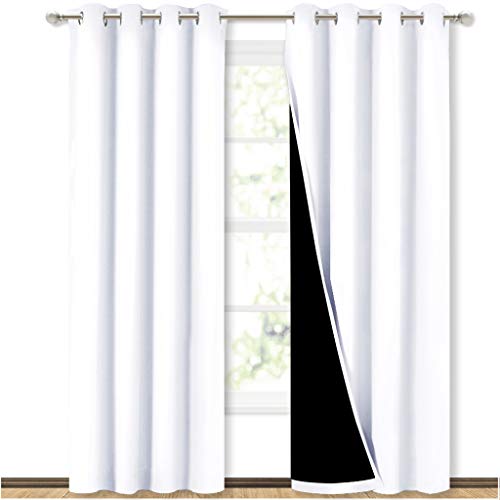
- Blackout lining helps create a darker sleeping environment.
- Thermal insulation helps reduce heat transfer through windows.
- Available in multiple colors and sizes to complement bedroom décor.

- Adjustable memory foam fill for personalized comfort
- Cooling gel-infused foam designed for a cooler sleep experience
- Accommodates side, back, and stomach sleepers
- Medium—soft feel with customizable support
- CertiPUR-US and GREENGUARD Gold certifications

- 20 non-looping soothing sounds for a calming bedtime environment.
- 32 adjustable volume levels for personalized comfort.
- Built-in timer and memory function for convenient nightly use.
- AC or USB power options for flexible placement.
Your 7-Day Better Sleep After 50 Challenge
You don’t need to change everything overnight. Start with one small habit and build from there.
| Day | Your healthy sleep goal |
|---|---|
| Day 1 | Choose a consistent wake-up time. |
| Day 2 | Spend time outdoors in morning daylight. |
| Day 3 | Make your bedroom darker, quieter, or cooler. |
| Day 4 | Begin a calming evening routine. |
| Day 5 | Move caffeine earlier in the day. |
| Day 6 | Enjoy daytime physical activity. |
| Day 7 | Review which changes helped and plan to continue them. |
Consider keeping a simple sleep diary that records bedtime, wake-up time, nighttime awakenings, caffeine, and how rested you feel.
Progress may take time, and one difficult night doesn’t mean your routine has failed.
Frequently Asked Questions About Sleep After 50
How much sleep do women over 50 need?
Most adults need approximately seven to nine hours of sleep per night, although individual needs vary. Sleep quality and daytime functioning matter alongside the number of hours.
Is waking up at 3 a.m. normal after menopause?
Nighttime awakenings can become more common during and after menopause. However, frequent awakenings that cause distress or daytime impairment deserve attention rather than being dismissed as normal aging.
Can hot flashes interfere with sleep?
Yes. Hot flashes and night sweats can interrupt sleep. If they’re frequent or severe, ask your healthcare provider about effective treatment options, including menopausal hormone therapy when appropriate and non-hormonal alternatives.
Should I take a sleep supplement every night?
Not without considering why you’re having difficulty sleeping. Supplements aren’t a substitute for evaluating persistent insomnia, sleep apnea, or other underlying conditions.
What if healthy sleep habits aren’t enough?
If sleep difficulties continue, discuss them with your healthcare provider. Cognitive behavioral therapy for insomnia (CBT-I) is an effective first-line treatment for chronic insomnia, and other conditions may require specific treatment.
Final Thoughts: Better Sleep Begins With Small Changes
Getting older doesn’t mean giving up on restful nights.
For women over 50, better sleep often begins with understanding the changes happening in our bodies and creating habits that support our natural sleep rhythms.
You don’t need a perfect bedtime routine, an expensive mattress, or a cabinet full of supplements.
Start with one manageable change. Give yourself time to adjust. And remember that persistent sleep difficulties deserve proper medical attention.
At EmpowerHer Wellness Hub, we believe healthy aging is about building practical habits that help you feel your best at every stage of life.
Better sleep is just one part of healthy aging. We explore practical ways to support women’s well-being after 50. You may also enjoy our guide to collagen for skin, joint, and hair health as part of your overall wellness journey.
Tonight, choose one small step toward better sleep. Your future mornings may thank you.
Medical disclaimer: This article is for educational purposes only and is not a substitute for personalized medical advice, diagnosis, or treatment. Consult a qualified healthcare professional about persistent sleep problems, medications, and supplements.